This project explores the relationship between electric vehicles, climate change, community health, and rural economic resilience. It draws upon research, policy analysis, regional case studies, and practical experience as both municipal leaders and EV owners. Two key knowledge-sharing initiatives emerged from this work: the Municipal World article, “Planning for Electric Vehicles: Myths, Realities, and Rural Opportunities” (September 2025), and the Gateway Centre of Excellence in Rural Health webinar, “Planning for EVs, Climate Change & Community Health” (May 2026).
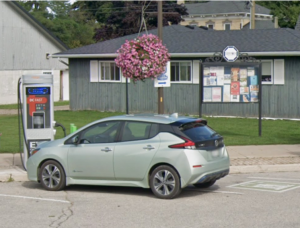
The work highlights the unique opportunities rural communities face, including lower operating costs for long-distance travel, easier home charging, and the potential for Level 3 charging infrastructure to support tourism, economic development, and regional connectivity. It also addresses common myths related to grid capacity, affordability, rural practicality, and environmental impacts, showing that many concerns are outdated, misunderstood, or already being addressed.
A central message of this work is that municipalities can play a leadership role by updating planning policies, supporting equitable charger placement, fostering partnerships, enabling infrastructure, and leading by example. Initiatives such as Rural ReCharge demonstrate how regional collaboration can help ensure rural communities remain “on the map” in an increasingly electrified future